
1. Alone on Island Game Overview
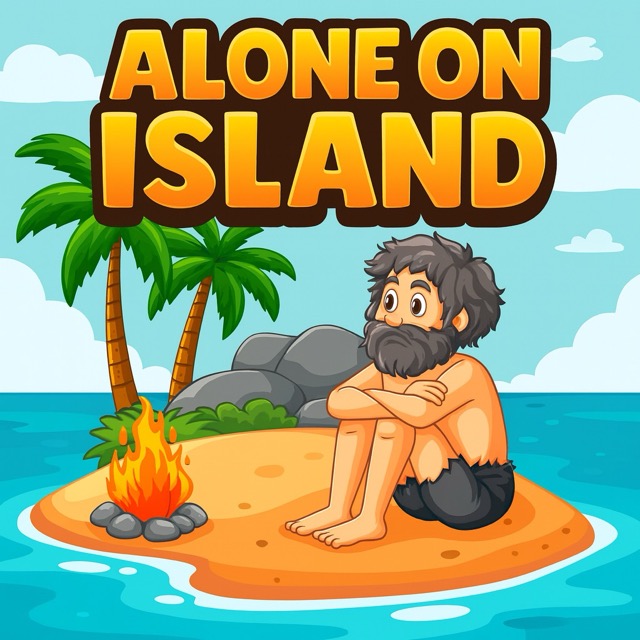
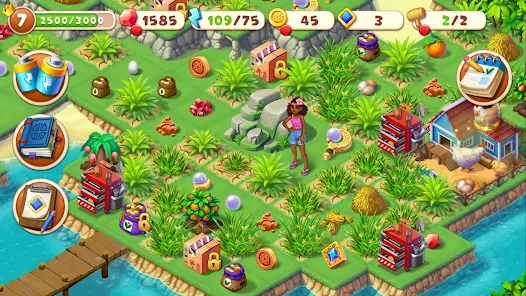
Alone on Island is a survival adventure about turning an uncertain beginning into a self-sufficient island community. You arrive in an unfamiliar wilderness with little more than the ability to explore, gather, and improvise. Forests, beaches, caves, and hidden corners provide wood, stone, food, herbs, and other materials, but they also expose you to hunger, dangerous wildlife, storms, and limited supplies. Every journey away from camp is therefore a choice between immediate safety and the resources needed for long-term growth.
The game combines automatic gathering with crafting, construction, farming, and light community management. Walking near useful objects collects them, keeping the moment-to-moment play accessible, while larger decisions determine how well your settlement develops. You can craft tools and weapons, improve a basic shelter, add facilities and decorations, plant crops for renewable food, and open new areas of the island. Rescuing stranded survivors adds another layer: each new resident can be assigned a role that helps the village become more productive and resilient.
What makes Alone on Island appealing is the visible transformation of both the landscape and your situation. A hostile island gradually becomes a personalized home filled with working structures, cultivated land, and people you have saved. Players who enjoy exploration receive new regions and secrets to uncover, while planners can focus on resource balance, upgrades, and sustainable food production. Its blend of discovery and steady building makes each short expedition contribute to a much larger story of survival.
Key Details:
Genre: Survival Adventure / Crafting / Community Building
Difficulty Level: Medium
Average Play Time: 20-40 minutes per session
Best For: Players who enjoy exploration, resource gathering, base building, farming, and gradual progression
How to Play Alone on Island
Getting Started:
- Drag or swipe to move around the starting area and walk close to trees, rocks, and loose supplies.
- Gather enough basic materials to craft your first tools and improve the initial shelter.
- Watch health, hunger, and available food while exploring beyond the safe area.
- Unlock forests, beaches, and caves to find rarer materials and stranded survivors.
- Build facilities, assign rescued residents, and plant crops to create a sustainable village.
Basic Controls:
- Touch and drag or use the mouse to guide your character.
- Move close to resources to collect them automatically.
- Tap or click crafting, building, and assignment options when they become available.
Objective:
Survive the island's environmental threats while expanding a small shelter into a stable community. Success comes from balancing exploration with food, crafting useful equipment, rescuing survivors, and maintaining renewable resources through farming and careful development.
Alone on Island Features & Highlights
- Automatic resource collection keeps gathering smooth and easy to understand.
- Forests, beaches, caves, and hidden areas reward continued exploration.
- Crafting supports tools, weapons, meals, potions, buildings, and decorations.
- Survivor rescue and job assignment turn a solo camp into a working village.
- Crop planting creates a renewable food source and supports long-term survival.
Alone on Island Tips & Strategies
Beginner Tips:
- Collect common wood, stone, fruit, and herbs before traveling far from shelter.
- Do not spend every material on decoration while essential tools and food remain limited.
- Start a garden early so your settlement is not dependent on random food discoveries.
Advanced Strategies:
- Plan exploration loops that gather several resource types before returning to camp.
- Assign survivors according to the settlement's current bottleneck, such as food or materials.
- Maintain reserves for storms and difficult regions instead of using every item immediately.
What to Watch Out For:
- Long expeditions can drain health and hunger; return before supplies become critical.
- Expanding too quickly can create more facilities than your community can support.
Alone on Island Game Elements Explained
Resource, Crafting, and Survival System:
Nearly every form of progress begins with materials found around the island. Wood, stone, herbs, food, and rarer discoveries are collected by moving near them, which removes complicated harvesting inputs but does not remove the need for planning. Basic resources become tools that improve access and efficiency; more advanced combinations create weapons, meals, potions, facilities, and decorative objects. The important decision is not simply what can be crafted, but what should be crafted next. A stronger tool may accelerate future gathering, while food and medicine protect the current expedition. Building too many optional items early can leave the settlement exposed to hunger or bad weather. Treat the inventory as a survival budget: reserve essentials, invest in upgrades that solve a clear problem, and prepare before entering a newly unlocked region. Efficient players connect gathering and crafting into a loop in which each trip provides both immediate supplies and the equipment needed to reach better resources later.
Village, Farming, and Survivor System:
The settlement represents long-term progress. It begins as a small shelter, then gains upgraded homes, working facilities, cultivated plots, and decorations that make the island feel inhabited. Farming is especially important because crops convert space and attention into renewable food, reducing dependence on whatever can be found during exploration. Rescued survivors expand this system. Rather than functioning only as collectibles, they can take roles that strengthen the community and help different parts of production. The best assignments depend on what currently limits growth: food shortages call for stronger agricultural support, while a construction push requires more material production. New residents and buildings should be added at a sustainable pace, because expansion consumes the same resources needed for survival. By coordinating crops, facilities, and survivor roles, you create a village that can support longer expeditions and recover from environmental challenges without constant emergency gathering. Review assignments after every expansion, because the most valuable job can change when a new building or region alters demand.
Alone on Island FAQ
Q: How do I collect resources in Alone on Island?
A: Move your character close to trees, rocks, fruit, herbs, or loose objects. Collection happens automatically when you enter the required range.
Q: What should I do if I keep running out of food?
A: Shorten exploration trips, gather edible resources near camp, cook when possible, and establish crop plots early so the village has a renewable supply.
Q: Is this game compatible with mobile devices and desktop browsers?
A: The touch-and-drag controls are suitable for mobile play, and the browser version can also be controlled with a mouse. A current browser and stable connection are recommended.
Q: Can I save my progress?
A: Save behavior depends on the embedded game and browser storage. Avoid private browsing or clearing site data, and verify that your settlement remains after a short test session before investing in a long run.
Q: How do I unlock new island areas and survivors?
A: Gather resources, improve tools and facilities, then follow the available exploration routes. Newly opened forests, beaches, and caves contain additional materials, secrets, and survivors to rescue.
Games Like Alone on Island
If you like Alone on Island, you might also enjoy:
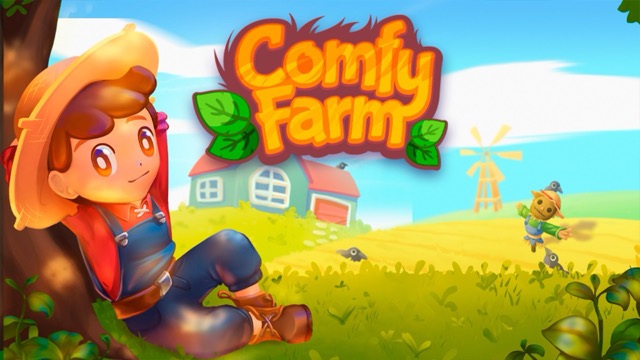
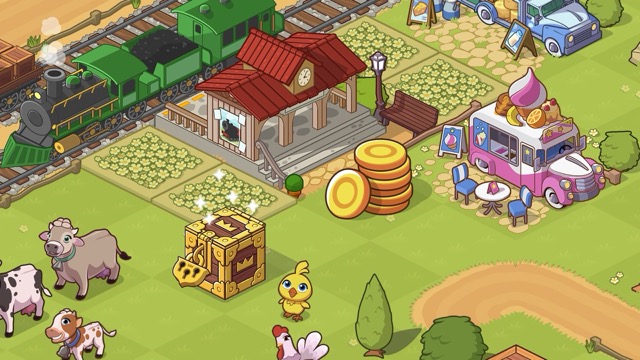
- Comfy Farm - It shares a peaceful growing loop where steady care turns limited land into a reliable home.
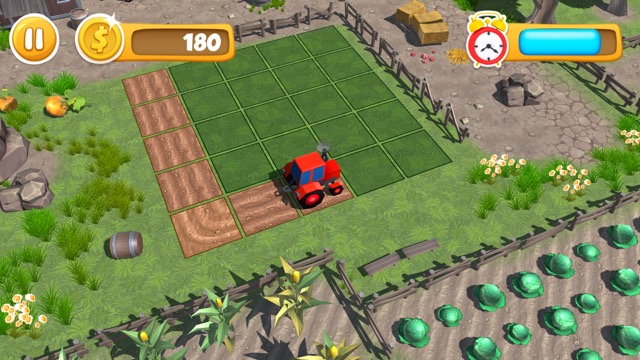
- Harvest Simulator - It offers another resource-focused farming challenge built around efficient routes and useful upgrades.
- Cleanup Crew - It also transforms damaged environments through collection, planning, and visible restoration.